The Evolution of Food Packaging Throughout Human History
Food packaging has undergone significant transformations since the dawn of human civilization. From rudimentary containers made of natural materials to sophisticated, high-tech solutions, the evolution of food packaging reflects broader changes in technology, society, and consumer preferences. This article traces the journey of food packaging through various historical epochs, highlighting key innovations and their impact on human life. Quplast, committed to environmentally friendly products and the latest smart packaging technologies, stands as a modern example of this ongoing evolution.
Ancient Beginnings: The Dawn of Packaging
Prehistoric Era
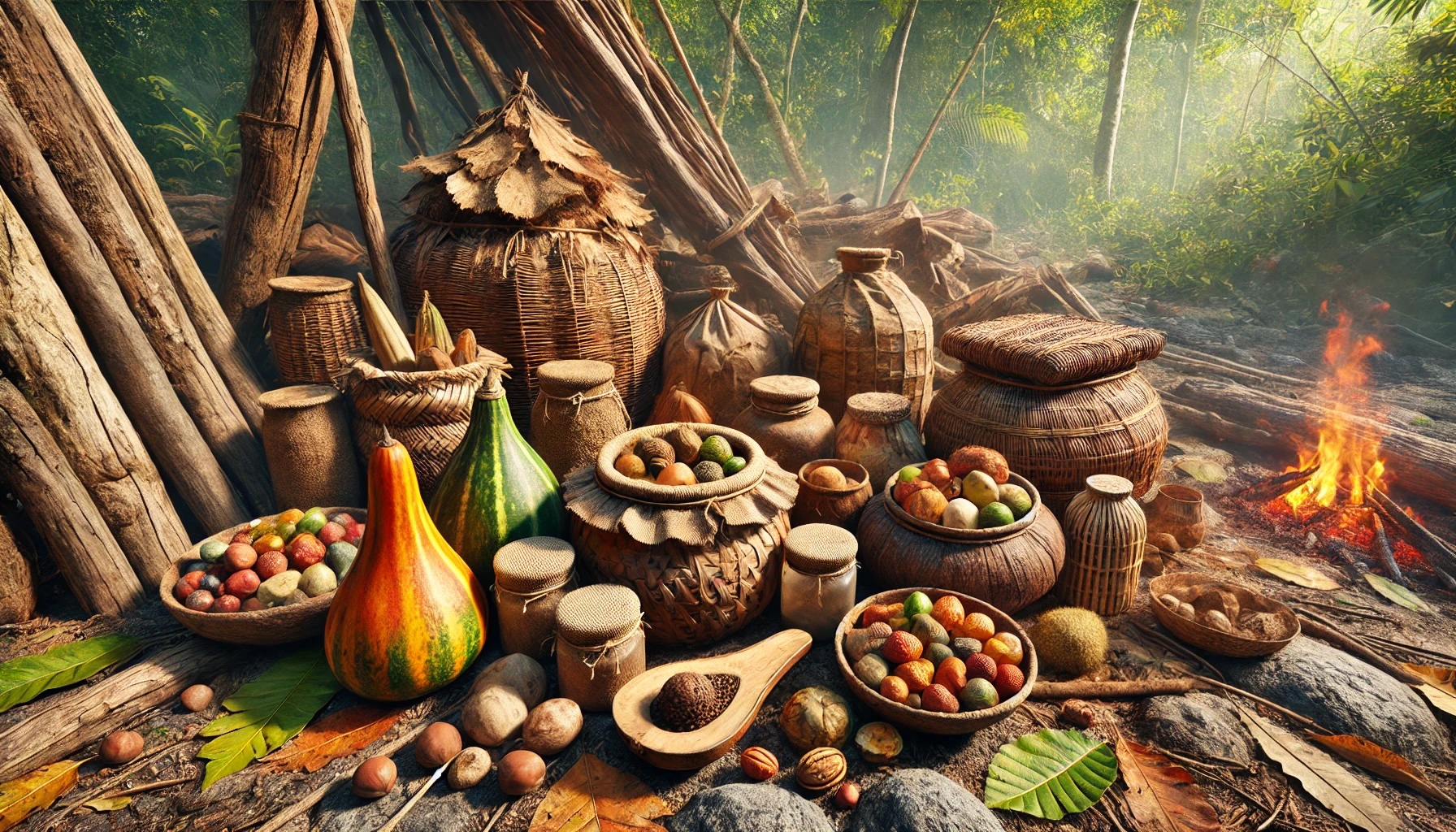
In prehistoric times, humans relied on nature to fulfill their packaging needs. Leaves, animal skins, and hollowed-out gourds were among the first materials used to store and transport food. These natural containers were essential for preserving food, especially for hunter-gatherer societies that needed to keep their sustenance fresh over long periods.
Ancient Civilizations
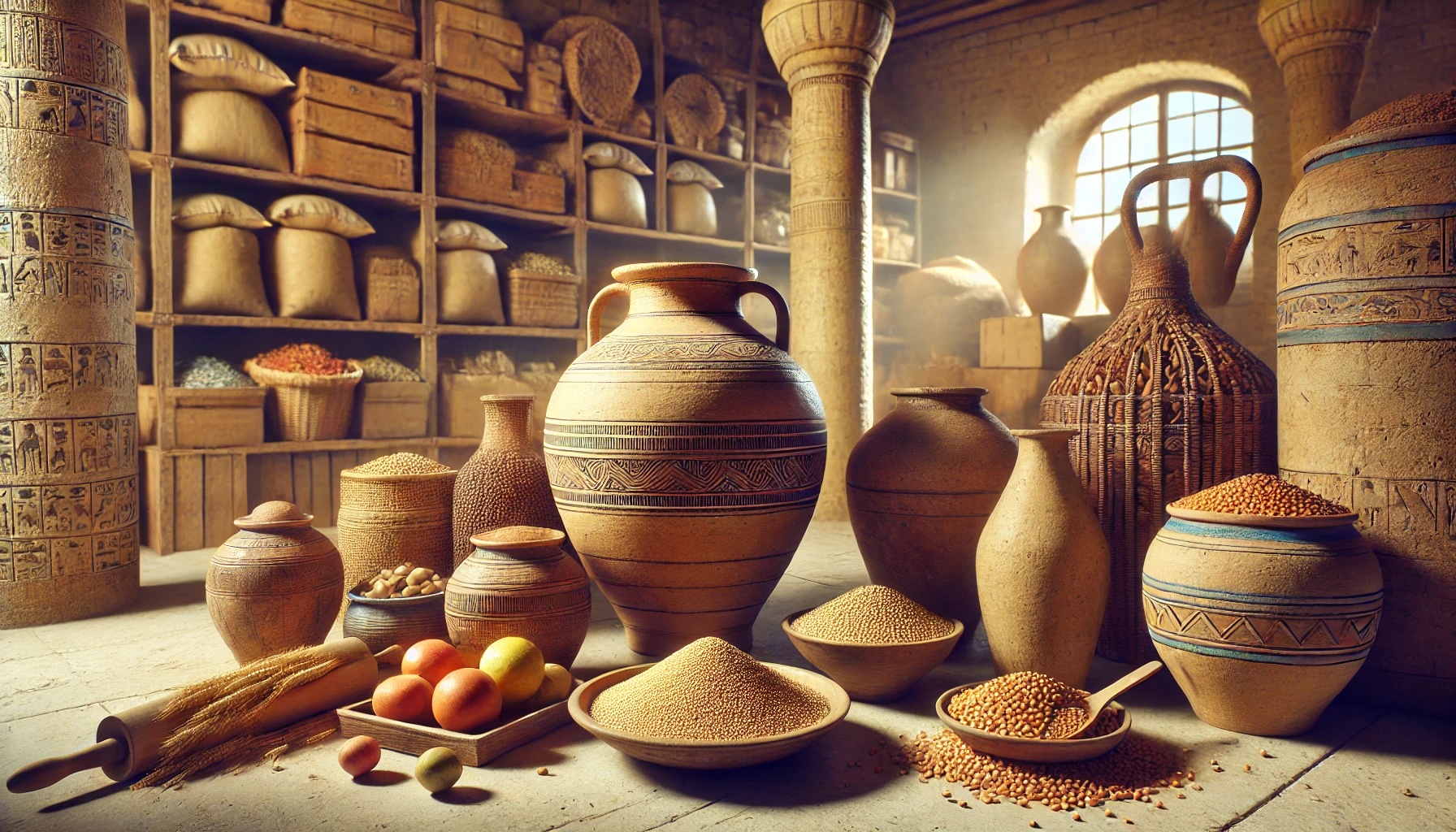
As human societies became more settled, the need for durable and reusable packaging grew. Ancient Egyptians, for example, used pottery and glass containers to store and transport food and beverages. These materials offered better protection against pests and spoilage compared to natural options. In Mesopotamia, the invention of the clay jar marked a significant advancement, allowing for the safe storage of grains and liquids.
Prehistoric Era
Ancient Civilizations
The Classical Era: Innovations and Trade
Greek and Roman Contributions
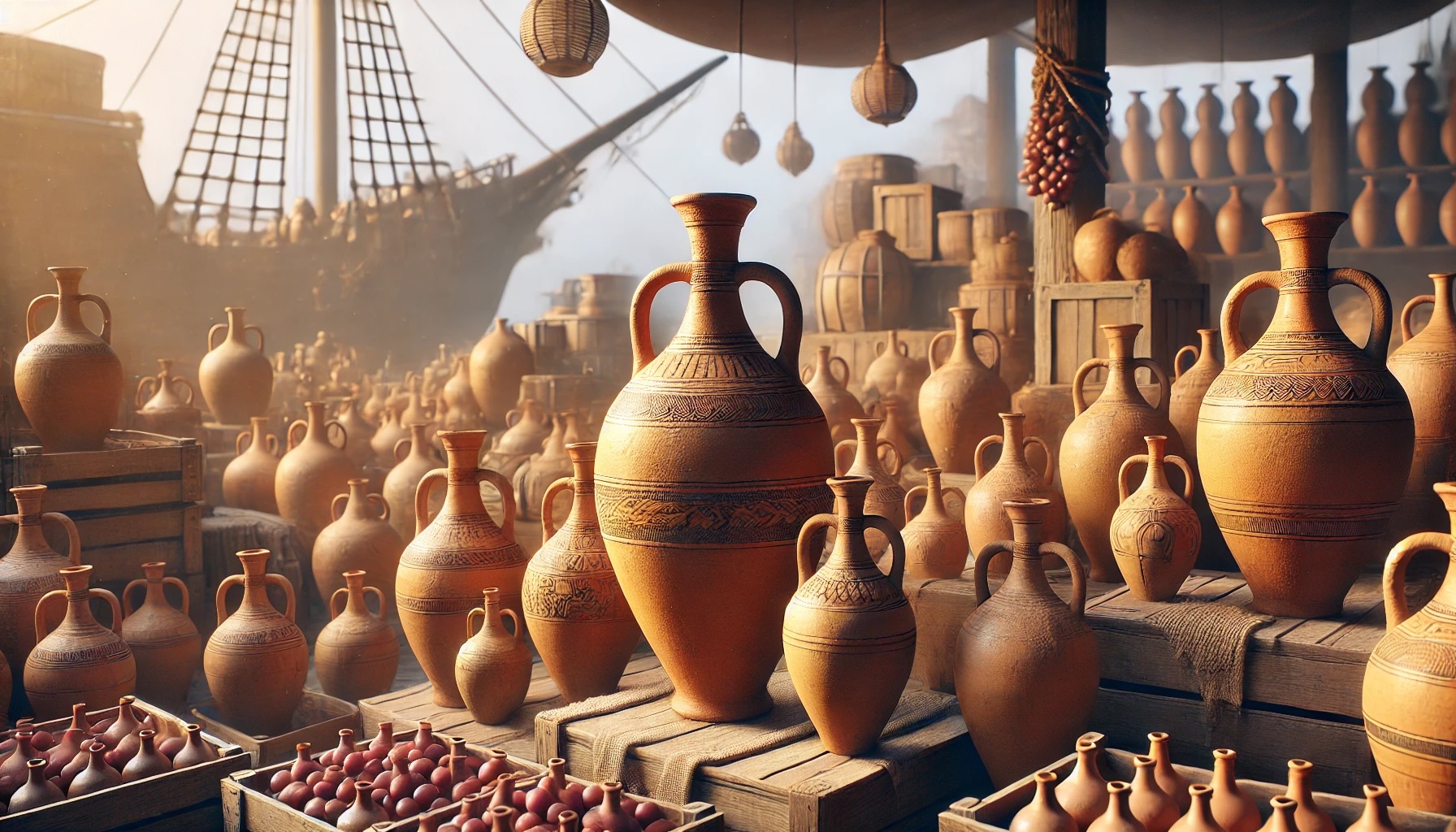
The classical era saw further innovations in food packaging, driven by the expanding trade networks of Greek and Roman civilizations. Amphorae, large clay vessels with narrow necks, were used extensively for transporting wine, olive oil, and other commodities across the Mediterranean. These containers were not only practical but also often beautifully decorated, reflecting the importance of their contents.
Silk Road and Beyond
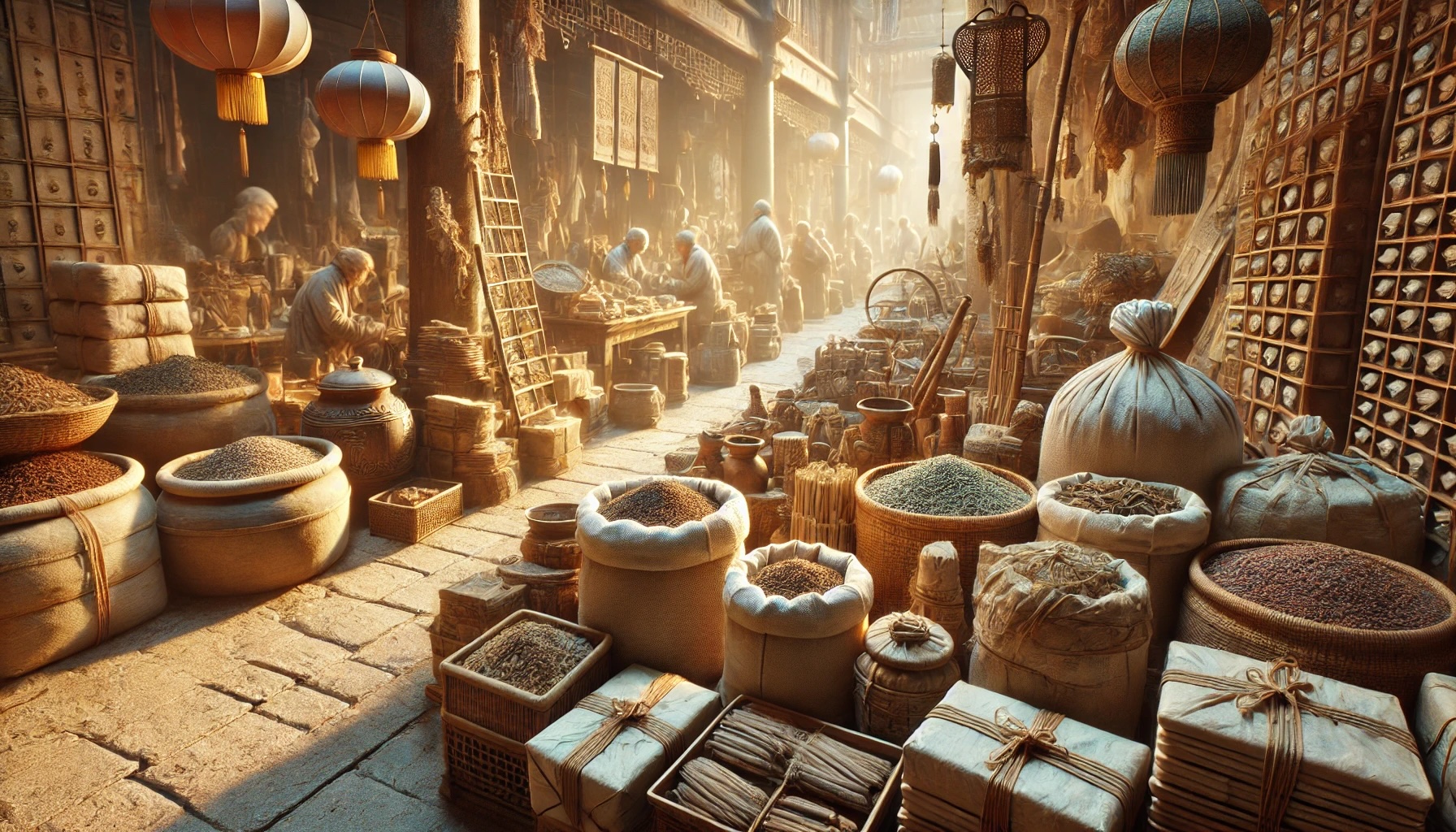
The Silk Road facilitated the exchange of goods, ideas, and technologies between East and West. Alongside precious silk and spices, knowledge about different packaging methods traveled these ancient trade routes. In China, for instance, paper packaging began to be used for preserving tea and other perishables, demonstrating early understanding of the importance of keeping products dry and protected.
Greek and Roman Contributions
Silk Road and Beyond
The Medieval Period: Preserving the Harvest
European Developments
During the medieval period, food preservation became a critical concern, especially in Europe where long winters necessitated storing food for months. Wooden barrels and casks became commonplace for storing and fermenting beverages like wine and beer. Salted meats and pickled vegetables were packed in clay pots, which helped extend their shelf life.
Middle Eastern Advances
In the Middle East, sophisticated ceramic jars with tight-fitting lids were used for preserving a variety of foods. These containers were often glazed to prevent contamination and spoilage. The art of food preservation and packaging was highly developed, with spices and dried fruits being meticulously stored to retain their flavor and quality over long periods.
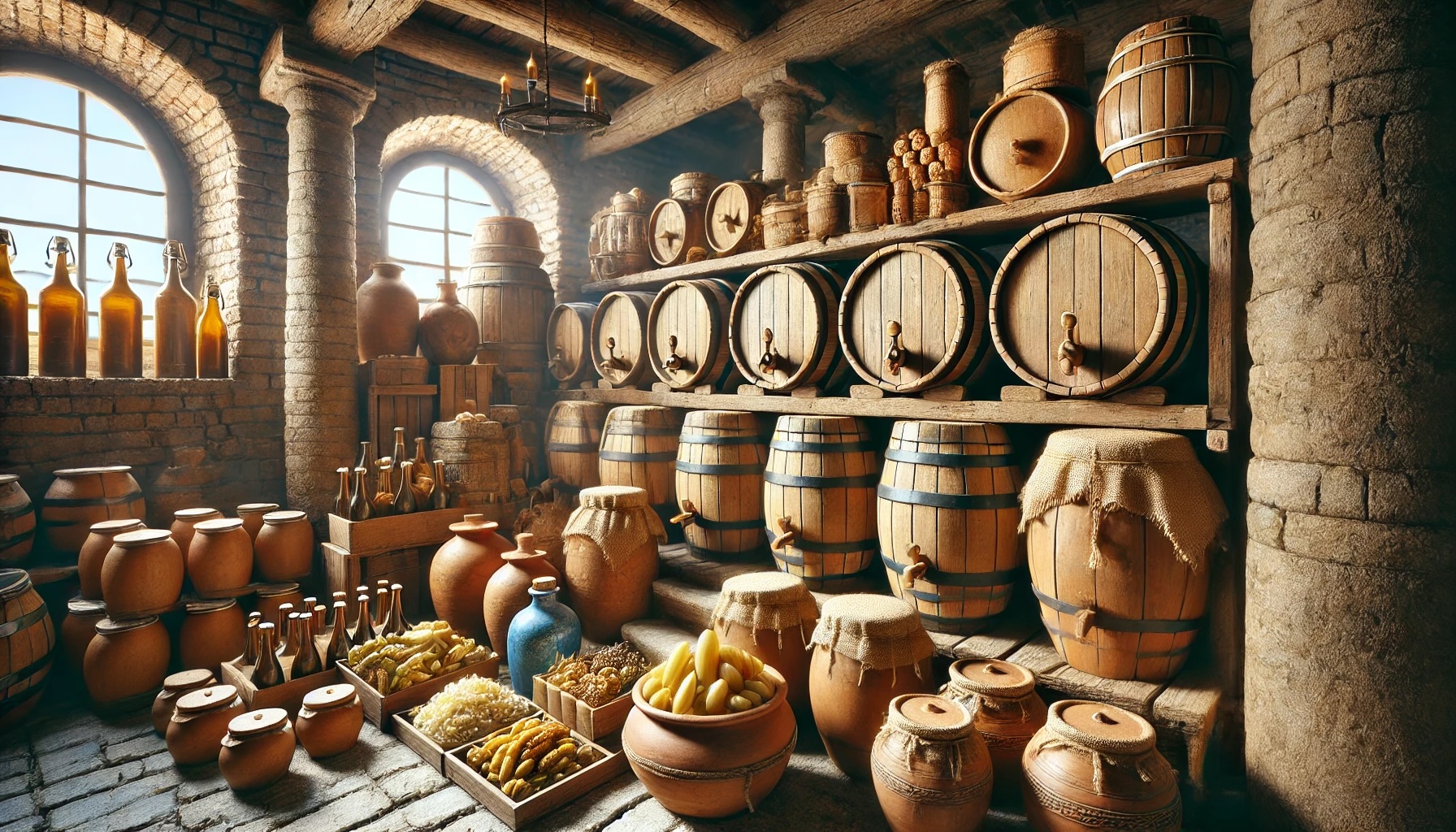
European Developments of Packaging
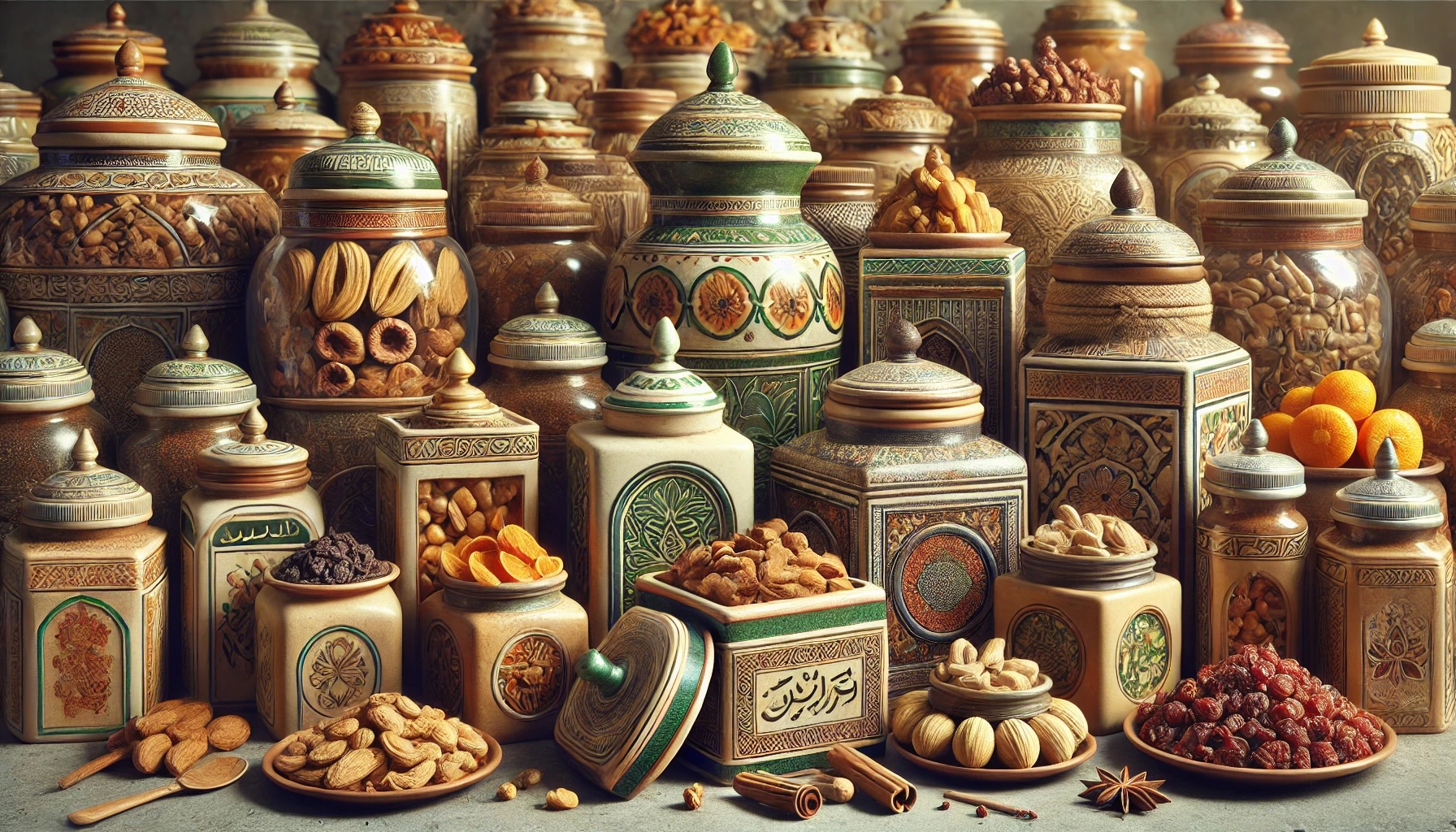
Middle Eastern Advances
The Renaissance and Early Modern Period: Exploration and Expansion
Glass and Tin
The Renaissance period brought about significant advancements in science and technology, which in turn influenced food packaging. The production of glass became more refined, leading to the widespread use of glass bottles for storing liquids. By the 17th century, the introduction of tin-plated steel containers marked a revolutionary step in food packaging. These early tin cans were used primarily for preserving food on long sea voyages, a necessity for the age of exploration.
Colonial Influence
As European powers established colonies around the world, they brought with them their packaging technologies and adapted them to local conditions. This period saw the blending of traditional packaging methods with new materials and techniques. For instance, the colonial exchange introduced new foods and spices, which were often packed in barrels, crates, and sacks for transportation across vast distances.
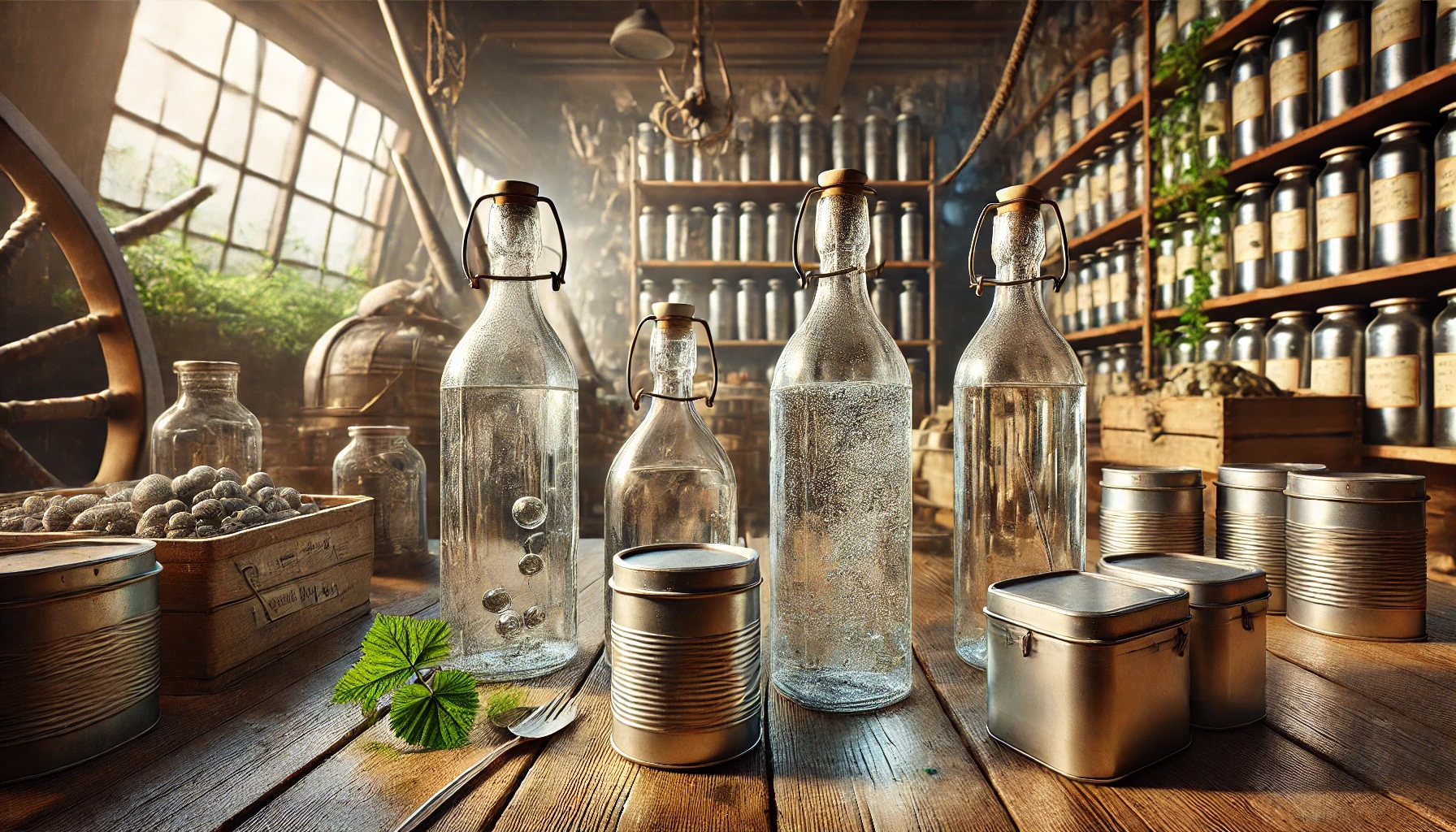
Glass and Tin
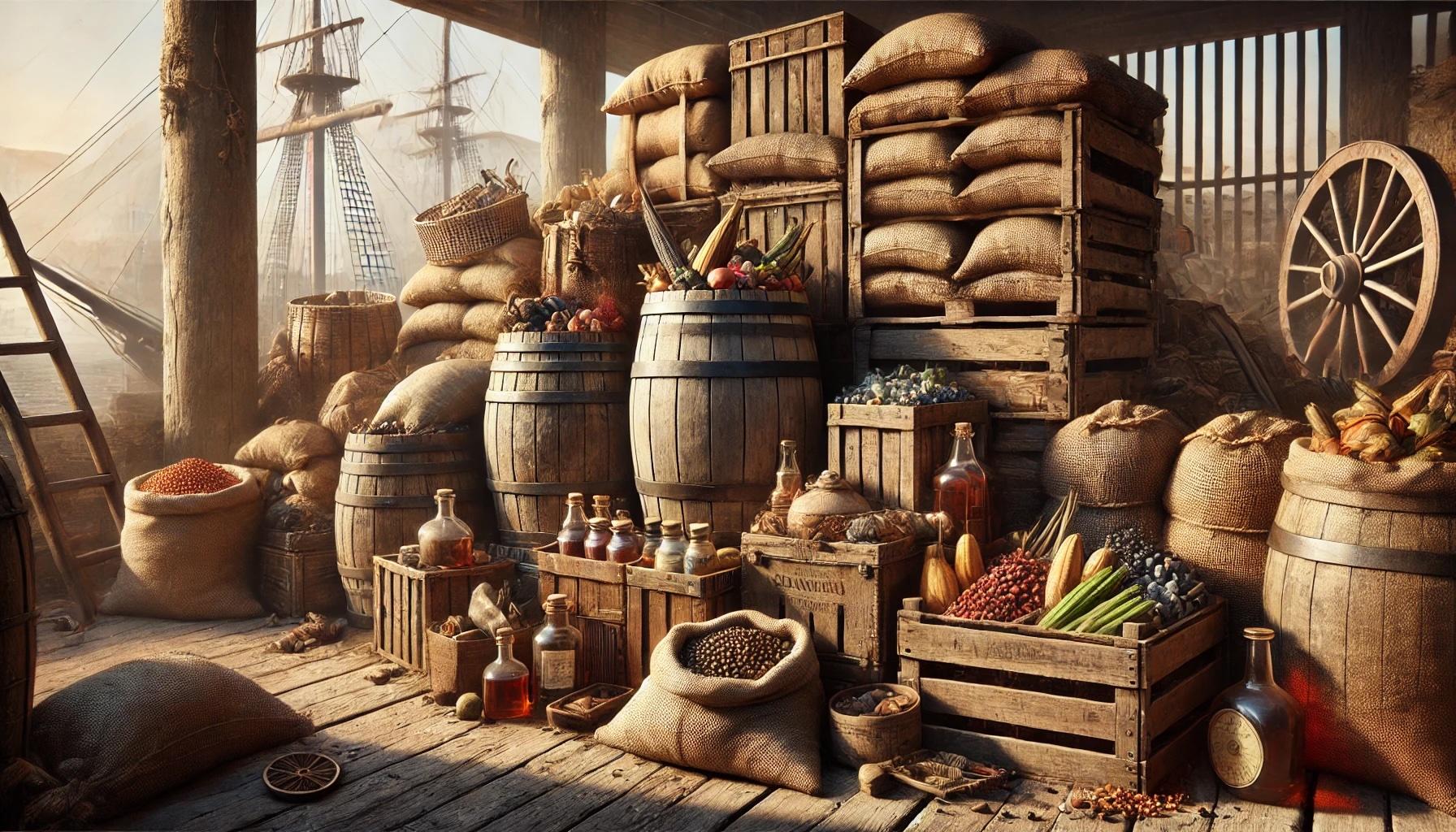
Colonial Influence
The Industrial Revolution: Mass Production and Standardization
Canning Revolution
The Industrial Revolution in the 19th century revolutionized food packaging with the advent of the canning process. Invented by Frenchman Nicolas Appert, canning involved sealing food in airtight containers and then heating them to kill bacteria. This method significantly extended the shelf life of various food products and made them more accessible to the masses. The development of the tin can by Peter Durand further streamlined this process, making canned food a staple in households worldwide.
Paper and Cardboard
The mass production capabilities of the Industrial Revolution also led to the widespread use of paper and cardboard for packaging. The invention of corrugated cardboard in the 1850s provided a lightweight yet sturdy material ideal for shipping and storage. Paper bags and boxes became common for packaging dry goods, offering a cost-effective and efficient solution.
Glass Bottles and Jars
Glass continued to be a popular packaging material, particularly for beverages and perishables. The invention of the automatic glass-blowing machine by Michael Owens in 1903 revolutionized the industry, allowing for the mass production of glass bottles and jars. These containers became standard for milk, sauces, and a variety of preserved foods.
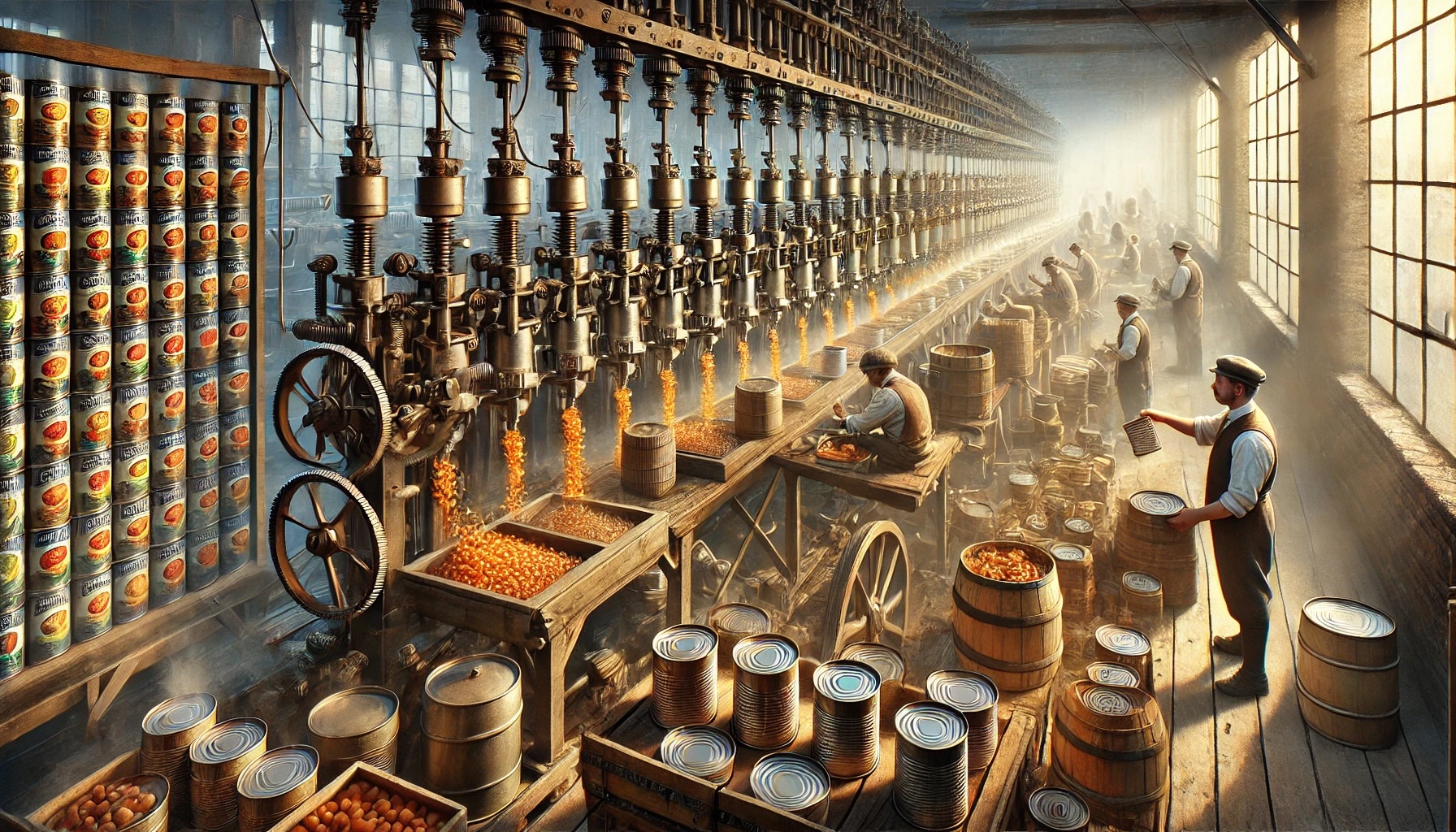
Canning Revolution
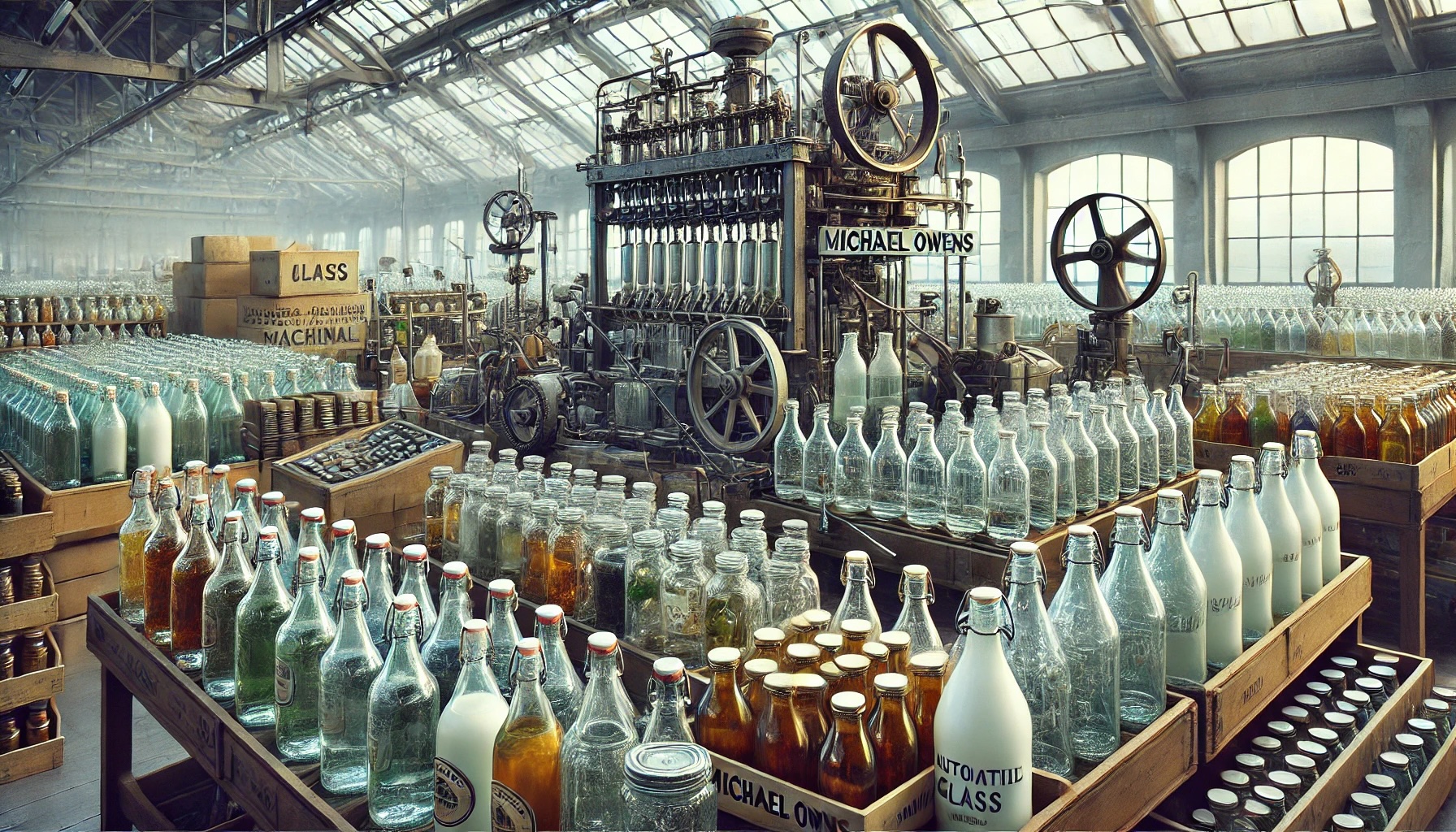
Glass Bottles and Jars
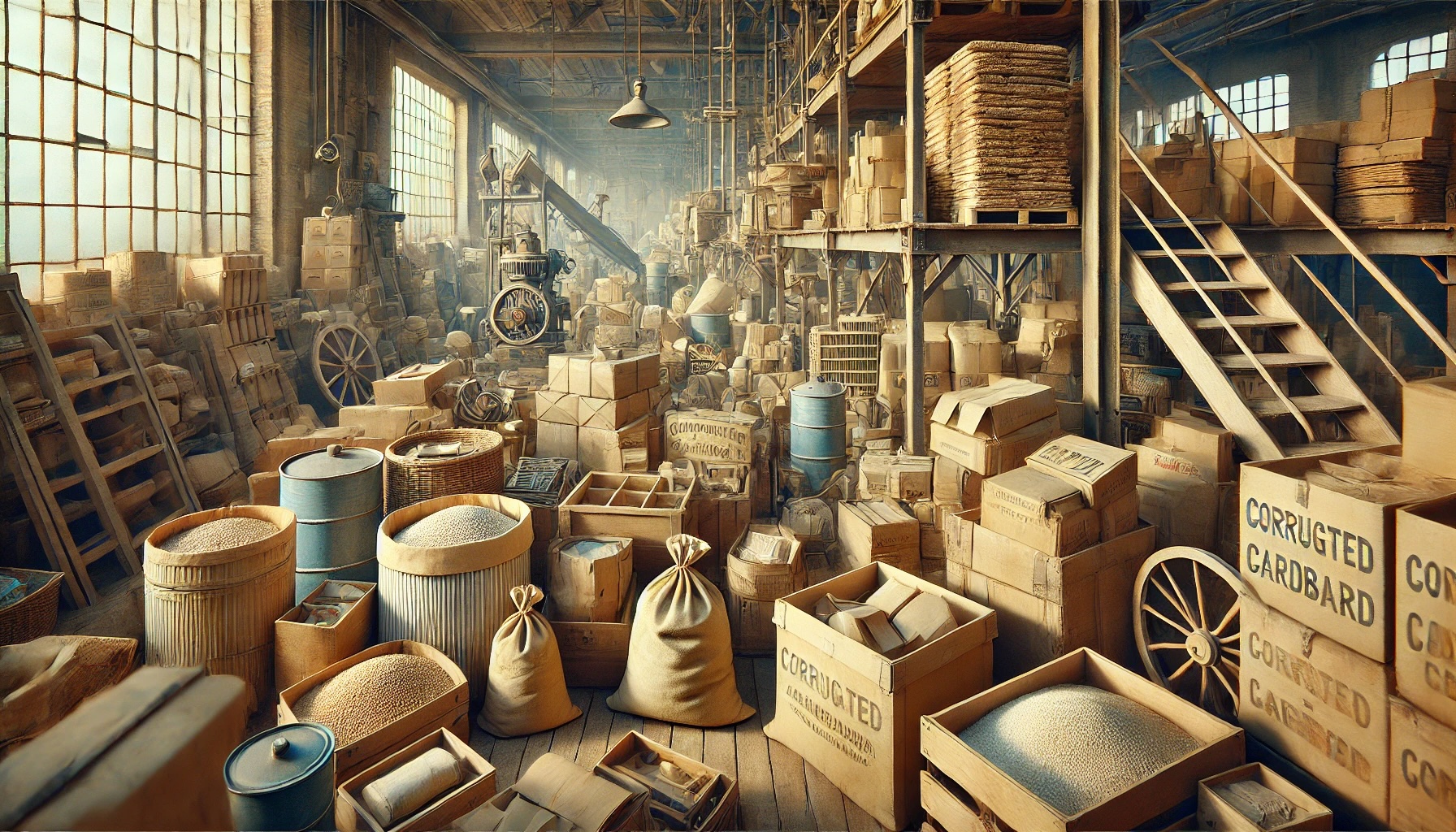
Paper and Cardboard
The 20th Century: The Age of Plastics and Convenience
Introduction of Plastics
The 20th century saw the introduction of plastics, which transformed food packaging. The invention of cellophane in the early 1900s provided a clear, flexible, and waterproof material ideal for wrapping perishable goods. This was followed by the development of polyethylene and other plastic polymers, which offered lightweight, durable, and versatile packaging solutions.
Convenience Packaging
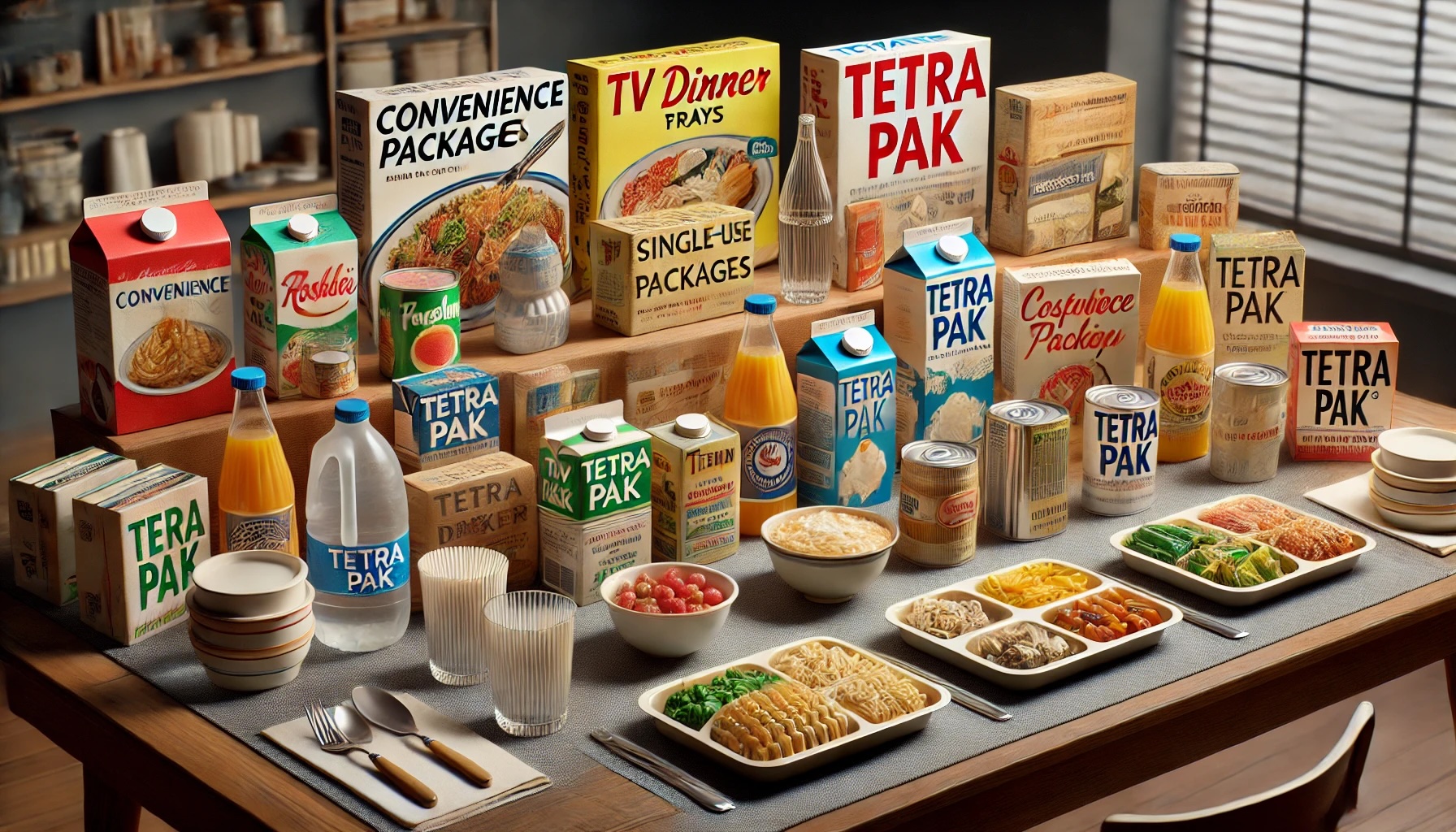
The post-World War II era ushered in a wave of convenience packaging aimed at the growing consumer culture. Single-use packages, such as TV dinner trays and disposable beverage containers, became popular. The invention of Tetra Pak in the 1950s provided a revolutionary method for packaging liquids, combining paper, plastic, and aluminum to create a lightweight, aseptic container.
Environmental Concerns
By the latter half of the 20th century, the environmental impact of plastic packaging became a significant concern. The accumulation of plastic waste led to increased awareness and the development of recycling programs. Innovations in biodegradable plastics and a renewed interest in traditional materials like glass and paper reflected a shift towards more sustainable packaging solutions.
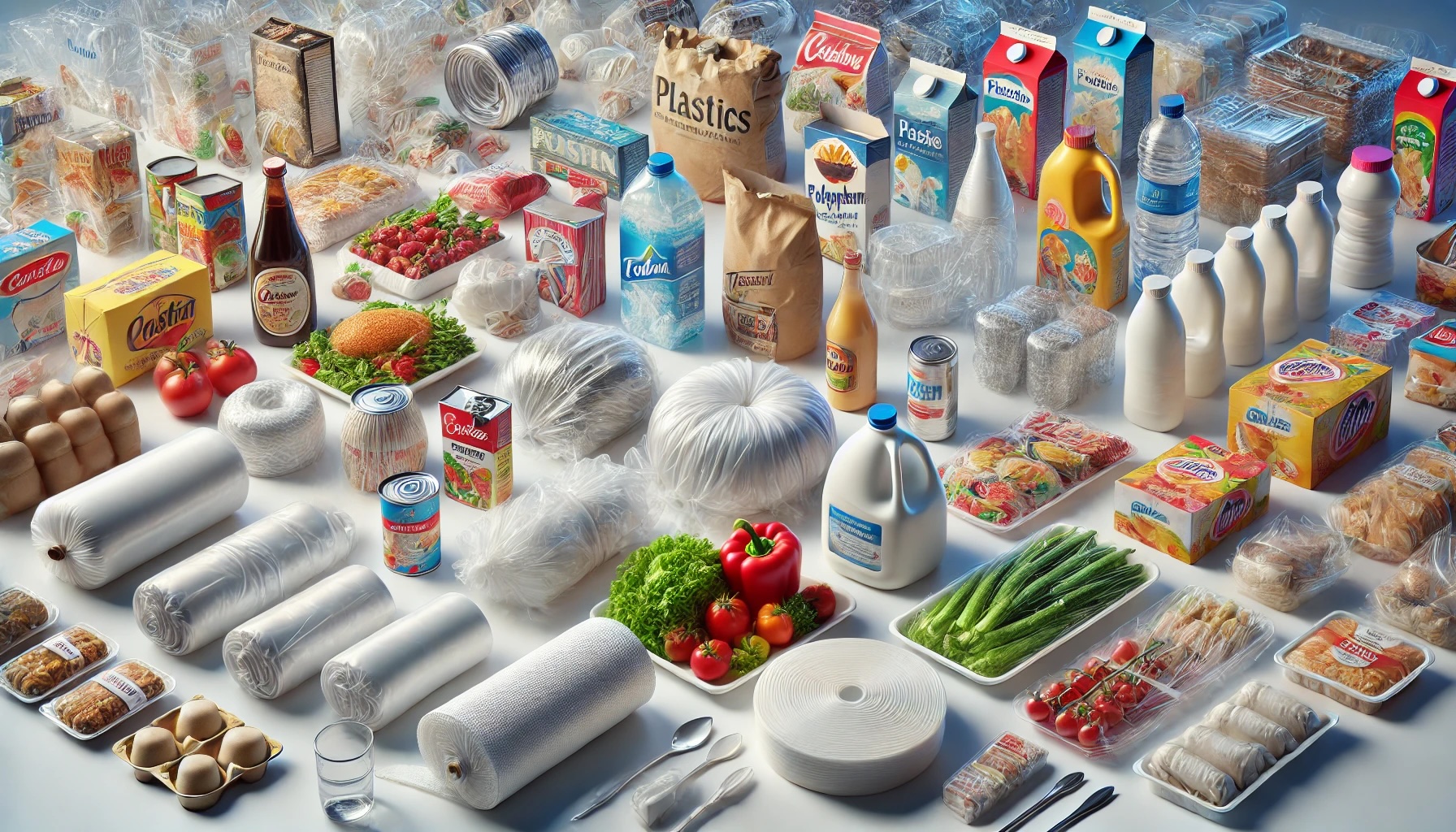
Introduction of Plastics
Convenience Packaging
The 21st Century: Smart and Sustainable Packaging
Technological Advancements
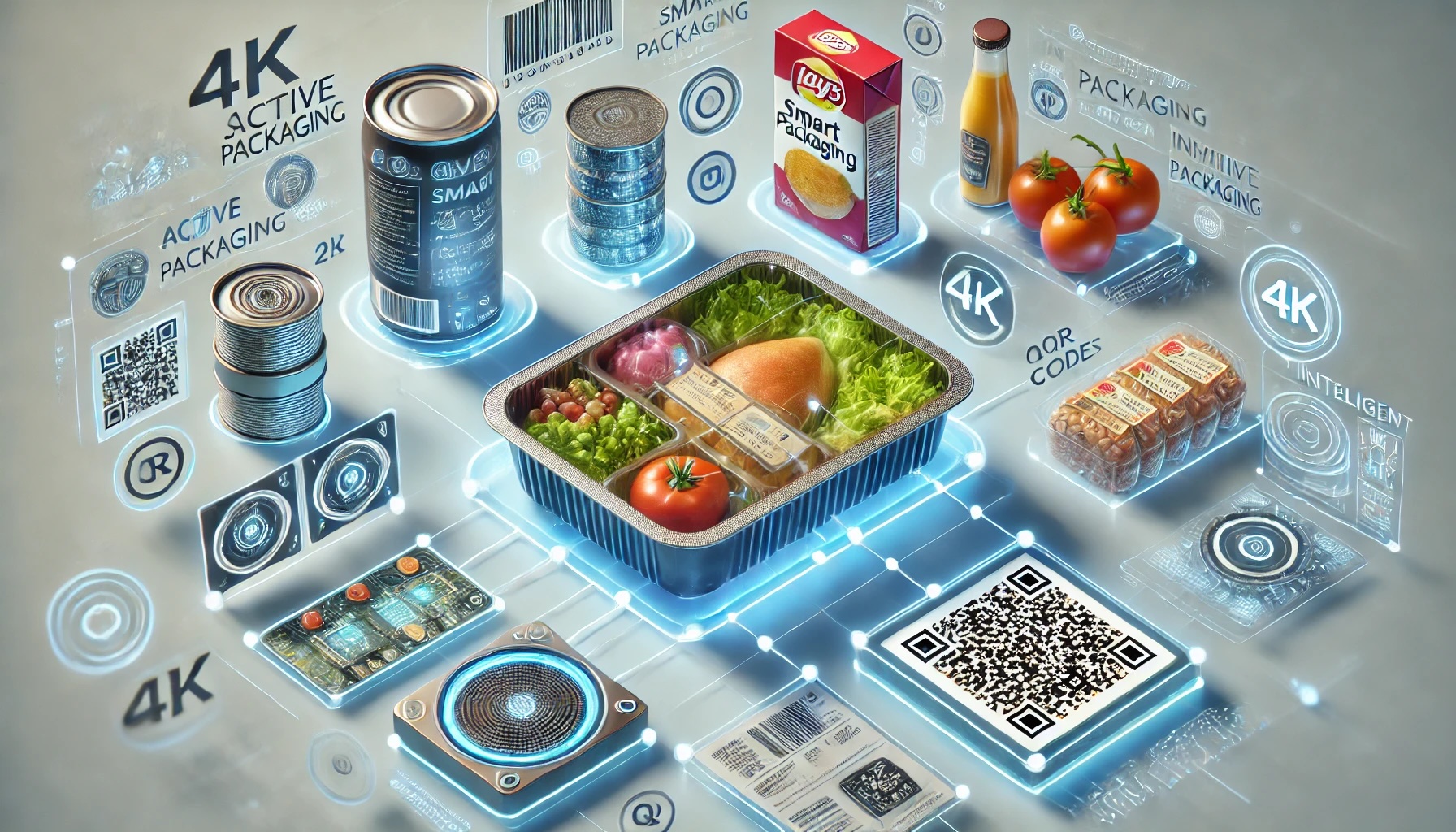
The 21st century has brought about significant advancements in smart packaging technologies. These innovations include active packaging, which interacts with the food to extend its shelf life, and intelligent packaging, which provides real-time information about the condition of the food through sensors and indicators. QR codes and augmented reality features are now being integrated into packaging to offer consumers interactive experiences and detailed product information.
Sustainable Solutions
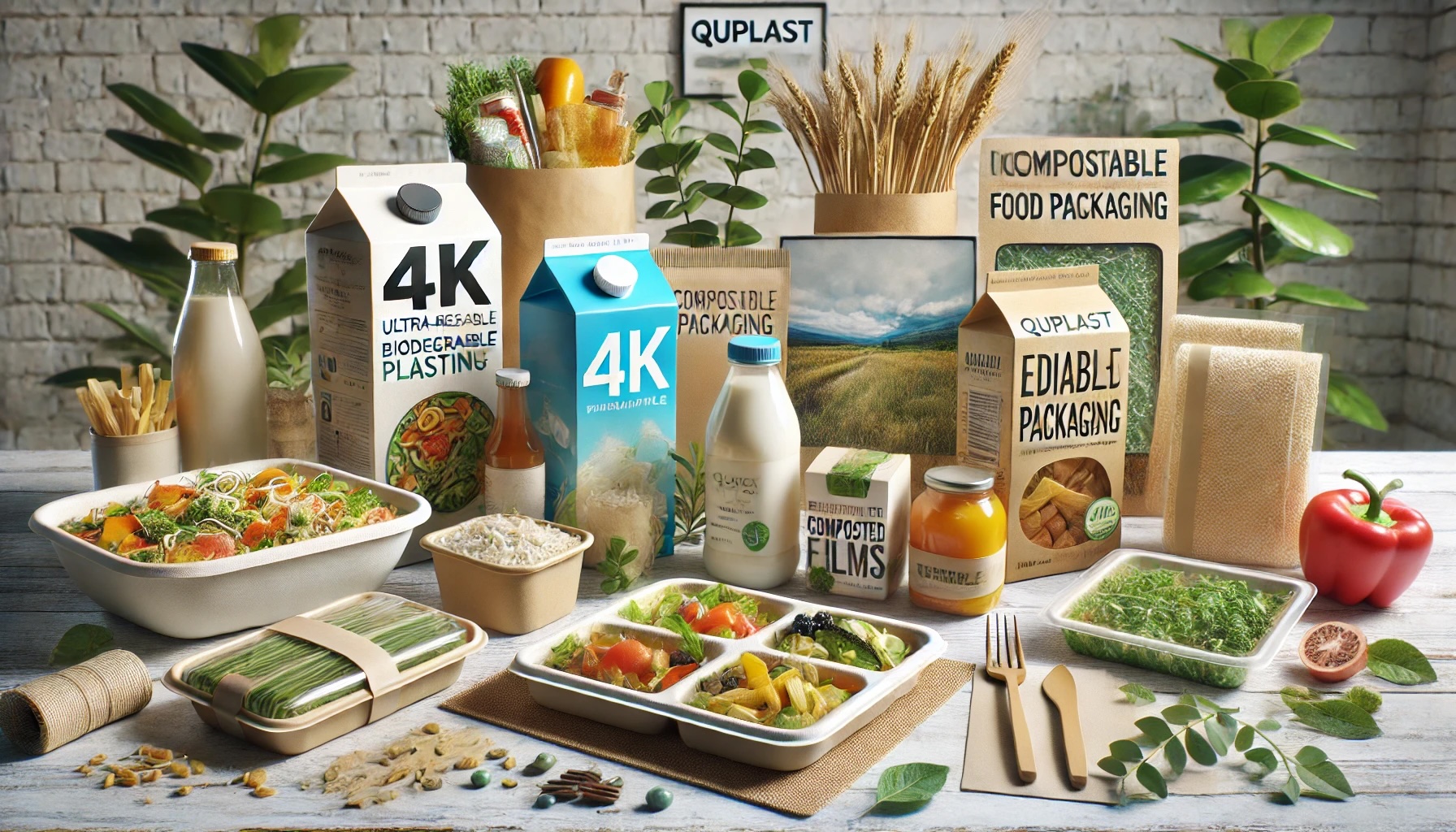
Sustainability has become a key focus in modern food packaging, with companies like Quplast leading the way. Adopting eco-friendly materials such as biodegradable plastics, compostable films, and recycled paper, Quplast is committed to reducing environmental impact. Innovations in edible packaging, made from natural ingredients, aim to further decrease waste and provide environmentally friendly alternatives.
Customization and Branding
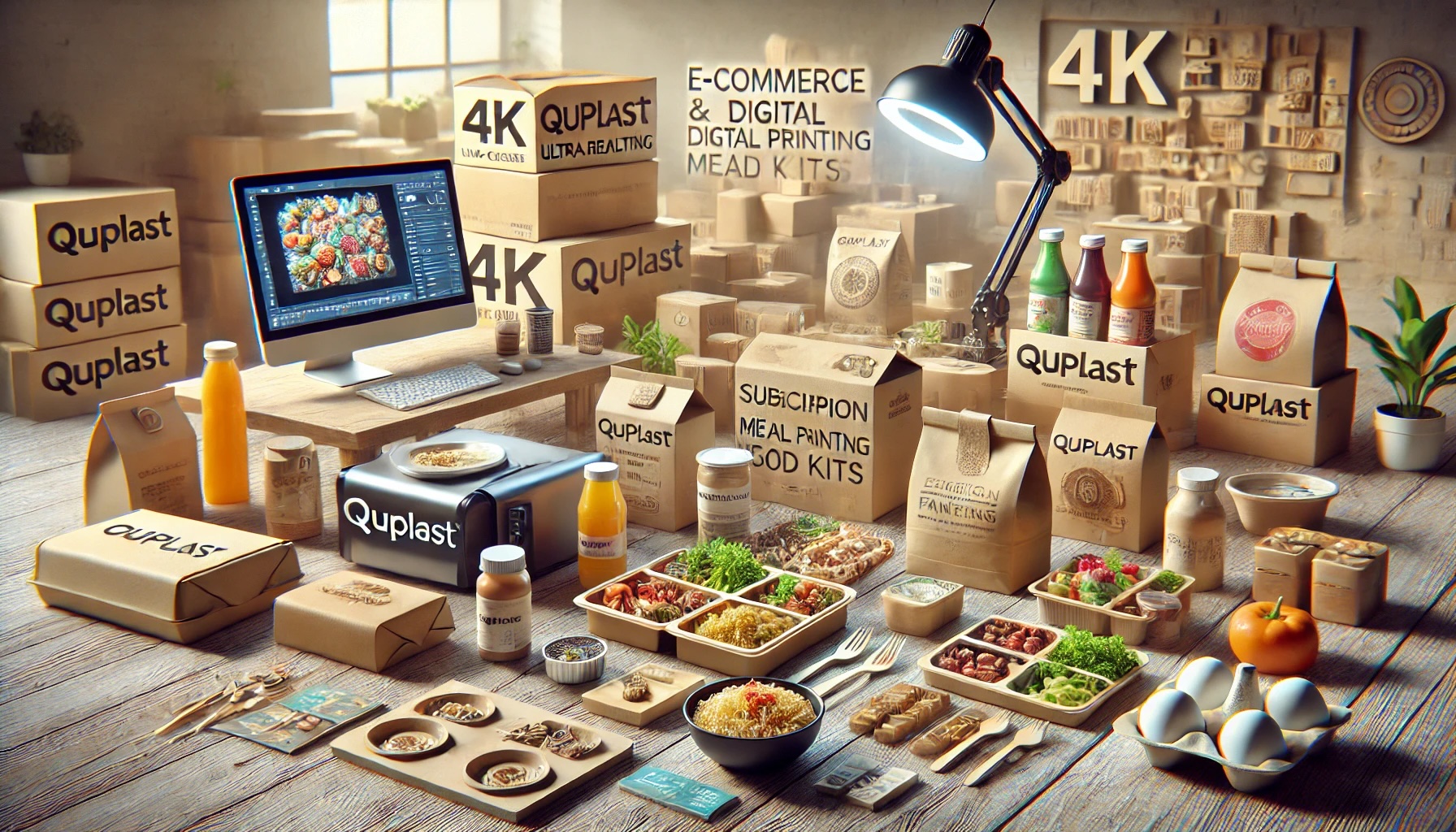
The rise of e-commerce and digital printing technologies has enabled greater customization and personalization in food packaging. Brands can now create unique packaging designs that reflect their identity and connect with consumers on a deeper level. This trend is particularly evident in the growing market for subscription meal kits and artisanal food products. Quplast's focus on bespoke design options helps businesses enhance their brand presence while promoting sustainability.
Technological Advancements
Sustainable Solutions
Customization and Branding
The evolution of food packaging is a testament to human ingenuity and adaptability. From the earliest natural containers to today's high-tech and sustainable solutions, each innovation has addressed the changing needs and preferences of society. As we move forward, the focus on smart, sustainable, and customized packaging, championed by companies like Quplast, will continue to shape the industry, ensuring that food remains safe, fresh, and appealing to consumers worldwide.